Denomination of Origin (DO) Rías Baixas
The region is renowned for the Albariño grape, a native variety that produces some of the world’s foremost white wines. Located in northwestern Galicia, a lush area known as Green Spain, Rías Baixas shares the same mineral-rich soils and cool climate as renowned regions like France’s Loire Valley, Marlborough in New Zealand, and the Rhine region of Germany. Elegant and food-friendly, the local Albariño variety has always been the flagship of this coastal Atlantic region and is a favorite with chefs, sommeliers and fine wine lovers.
History of the Region
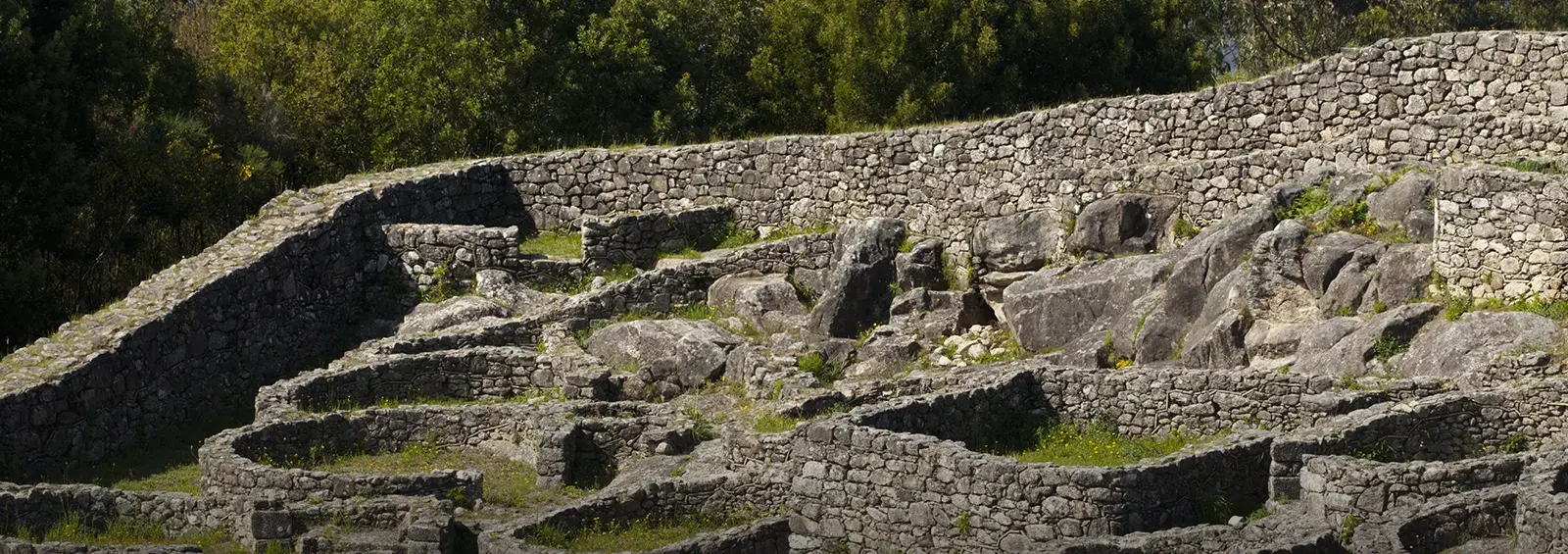
Rías Baixas shares an ancient legacy with the rest of Galicia. A Celtic tribe known as the Gallaeci settled the rugged coastline 2,500 years ago, leaving rich cultural aspects like language, pagan festivals and bagpipes that endure today, as well as a wealth of archaeology sites such as the magnificent stone dwellings of Santa Trega in A Guarda. The first winemakers were Roman, who conquered the Celts and firmly established viticulture and global trading. El Camino de Santiago (or Way of St. James) first emerged as an important pilgrimage in medieval times, leading travelers ever since to the Cathedral of Saint James in Santiago de Compostela, just north of Rías Baixas.
The modern winemaking era began in 1980 when an official denomination was created specifically for the Albariño grape variety – La Denominación Específica Albariño. In 1988, after Spain joined the European Union (EU), the denomination was renamed Denominación de Origen (DO) Rías Baixas, consistent with EU wine law that does not permit regions to be named for a single grape variety. Known for artisanal winemaking led by local growers, Rías Baixas Albariño ranks high among the world’s leading white wines, including strong presence in the United States, the region’s leading export market.
Culture and Tradition
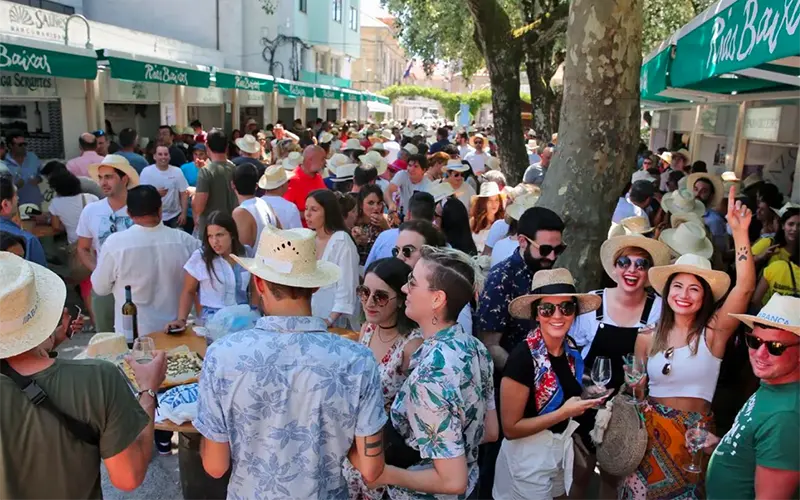
The annual Fiesta de Albariño takes place during the first week of August in Cambados, the heart of the Rías Baixas wine region. The fiesta kicks off on August 1 with World Albariño Day. Thousands of wine lovers celebrate the region’s superstar grape variety with winemaker tastings, rock concerts, street entertainment, traditional folklore and open-air parties. Not to be missed, the region’s wineries uncork their best bottles and fill this small coastal town with color and joy.